Oʻahu has 125 beaches and you will not get to most of them. These are the twelve we send people to, grouped by shore because the shore decides everything: the south is calm all year, the windward side is calm in the morning, the North Shore is a swimming hole in summer and a stadium in winter, and the west is sunny and quiet. Lifeguards, parking and the swell season are listed for each one. The rule above all others: if the lifeguard flags are red, stay on the sand.
South shore: Waikiki and east
Waikiki Beach
Two miles of sand from the Hilton to Diamond Head, reef-protected and calm nearly every day of the year, lifeguarded at Kūhiō and Queen’s. It is really six beaches: Fort DeRussy at the Hilton end has the widest sand and the fewest people; the stretch in front of the Royal Hawaiian and the Moana is the classic strip with the surf lessons and the outrigger canoes; Kūhiō Beach and Queen’s by the breakwaters are the calmest swimming for kids; Kaimana (Sans Souci) past the aquarium is the locals’ beach with the clearest water. The sunset catamaran loads off the sand at the Outrigger Reef. Summer south swells bring waves for surfers and keep swimmers in the breakwater pools.
Ala Moana Beach Park
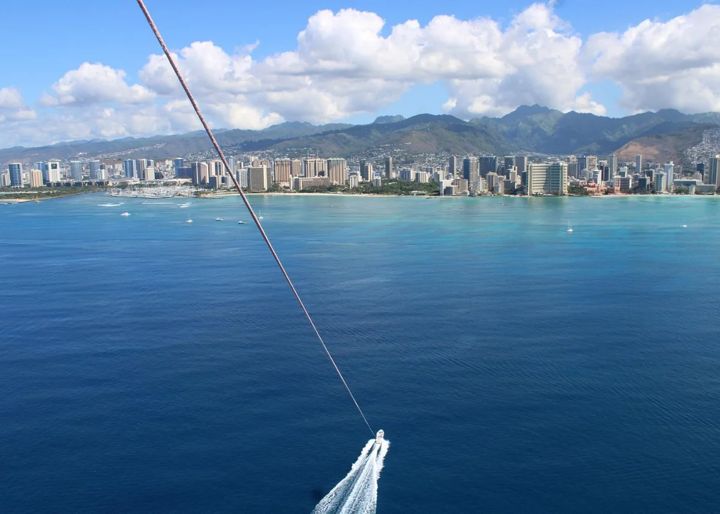
Across from the mall and next to Kewalo Basin, a half-mile lagoon behind a reef with zero surf, lifeguards, free parking, showers and grass with shade. The best swimming on the south shore, and where Honolulu families go. The parasail and turtle snorkel boats leave from the harbor at its west end; swim here after.
Hanauma Bay
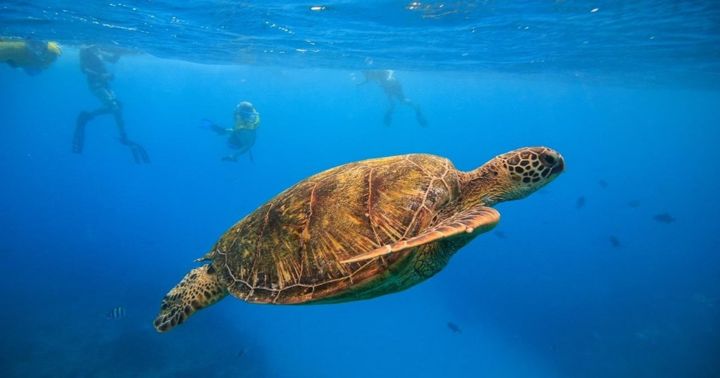
A flooded crater 25 minutes east of Waikiki and the best shore snorkeling on Oʻahu, with turtles and hundreds of fish species in a protected reef. Reservations open online two days ahead at 7 am Hawaii time and sell out in minutes; closed Mondays and Tuesdays; conservation fee and a mandatory nine-minute video. Lifeguards. Go for the earliest slot, snorkel the inner reef, and stay off the coral. Afternoon trades bring the chop.
Sandy Beach and Makapuʻu
Past Hanauma on the Kaʻiwi coast. Sandy Beach has the most famous shorebreak on the island and injures more people than any beach in Hawaii; watch the bodyboarders from the sand. Makapuʻu Beach, under the lighthouse cliffs, is beautiful and dangerous in winter and calm in summer. Both have lifeguards. The Makapuʻu lighthouse trail above them is the easiest great walk on the island, with whales below from December to April.
Windward side: over the Pali
Lanikai Beach
The postcard: powder sand, water the color of a swimming pool, the twin Mokulua Islands offshore. No lifeguards, no facilities, no parking except residential streets with strict rules; walk in from Kailua Beach Park or bike. Calmest in the morning before the trades fill in. The Mokulua kayak crosses the bay to the islands you are looking at. The 30-minute Pillbox hike above the beach is the sunrise to get up for.
Kailua Beach Park
Lanikai’s bigger, easier neighbor: a two-mile crescent with lifeguards, parking, restrooms, showers, kayak and paddleboard rentals and the launch point for Flat Island and the Mokes. Morning glass, afternoon wind chop. The best all-round beach on the windward side and the one to pick with kids.
Waimānalo Beach
Fifteen minutes south of Kailua, the longest white-sand beach on Oʻahu, three miles of it under the Koʻolau cliffs with hardly anyone on it. Lifeguards at Waimānalo Beach Park. Gentle shorebreak most of the year, bigger in winter. Ironwood shade. Local, quiet, the beach to spend an afternoon on after the kayak.
North Shore: two different planets
Waimea Bay
Summer: a glassy swimming bay with a jump rock, clear enough to snorkel, lifeguards, parking that fills by 10. Winter: the most famous big-wave arena in the world, 20 to 30 feet on the big days, the Eddie Aikau contest when it is biggest, and absolutely no swimming. Same beach, two planets. Ten minutes from the shark boats at Haleʻiwa and the ATV farm in Waialua.
Sharks Cove
Across from the Foodland in Pūpūkea, a rocky cove with the best shore snorkeling on the North Shore from May to September: lava tubes, caves, turtles and fish in water that is often flat as a lake. Closed by surf from October to April. No sand to speak of, reef shoes required, no lifeguard. The name has nothing to do with sharks.
Sunset Beach and ʻEhukai (Pipeline)
Two miles of sand along Kamehameha Highway past Waimea. Sunset Beach is the long one with the pro contest in December; ʻEhukai Beach Park fronts the Banzai Pipeline, the most photographed wave on earth, which breaks a stone’s throw from the sand in winter. Watch from the beach, December to February, with the lifeguards’ permission. In summer both are calm and quiet with soft sand and nobody around.
West side: sun and quiet
Ko Olina Lagoons
Four man-made lagoons on the resort coast 45 minutes west of Waikiki, each a protected crescent with zero surf, a sandy bottom and a path between them. The calmest water on the island for toddlers and nervous swimmers, with turtles at the rocky openings. Public access with limited free parking lots that fill by 9; the Disney and Four Seasons resorts sit on two of them. Sun is near guaranteed. Pair it with the dolphin safari from Waiʻanae, 20 minutes north.
Mākaha Beach
The west side’s classic surf beach, 20 minutes past Waiʻanae, with lifeguards, a wide sand crescent and a big winter break that hosted the first pro contests in the 1950s. Summer is calm and the water is as clear as anywhere on Oʻahu; snorkel the rocks at the north end. Local, respectful, and a long way from the strip.
The safety notes that matter
- Red flags mean no. Oʻahu’s lifeguards fly red flags for dangerous conditions and they are not negotiable. Swim at lifeguarded beaches, especially with kids.
- North Shore in winter is for watching. From November to March, Waimea, Pipeline and Sunset are not swimming beaches. Rip currents pull from the sand; people die every winter.
- Shorebreak. Sandy Beach and Makapuʻu drop waves onto sand in shallow water, which breaks necks. Watch first.
- Reef-safe sunscreen is the law in Hawaii; sunscreens with oxybenzone and octinoxate are banned.
- Turtles and monk seals are protected. Ten feet from turtles, fifty from seals, no touching, no feeding.
- Never turn your back on the ocean. The one rule every local learns first.
For which beach fits which day, see the Oʻahu map and the things to do in Waikiki guide.
Written by Oʻahu locals who spend their days on the water.